Understand Essential Tree Service Practices for Ideal Tree Well-being
Understanding tree care is important for maintaining a healthy environment. Key practices such as mulching and pruning are vital factors in enhancing tree health. Furthermore, proper watering techniques are crucial for developing strong roots. However, a lot of individuals ignore the signs of tree diseases and the value of professional arborists. Exploring these aspects can foster a greater respect for arboriculture and trees. What steps can one take to guarantee their trees thrive?
Grasping the Value of Healthy Trees
Recognizing the value of healthy trees is essential, as trees are key players in maintaining ecological balance and making urban areas better. Vibrant trees help improve the quality of the air, offer cooling shade, and support wildlife habitats. Trees also assist in reducing global warming by sequestering carbon dioxide, which makes them vital for long-term ecological health.
In urban settings, healthy urban trees enhance the appearance, increase property values, and support public welfare. Trees help diminish the urban heat effect in cities, which saves money on energy.
Failing to care for trees, conversely, can result in disease, bug invasions, and structural instability, posing risks to infrastructure and the trees themselves. Therefore, recognizing the indicators of tree health, such as leaf coloration, how the tree is growing, and the state of the bark, is vital for effective management. In the end, caring for vibrant trees benefits not just individual landscapes but also the broader ecosystem, stressing the importance for forward-thinking attention and management practices.
Crucial Techniques for Cutting Branches
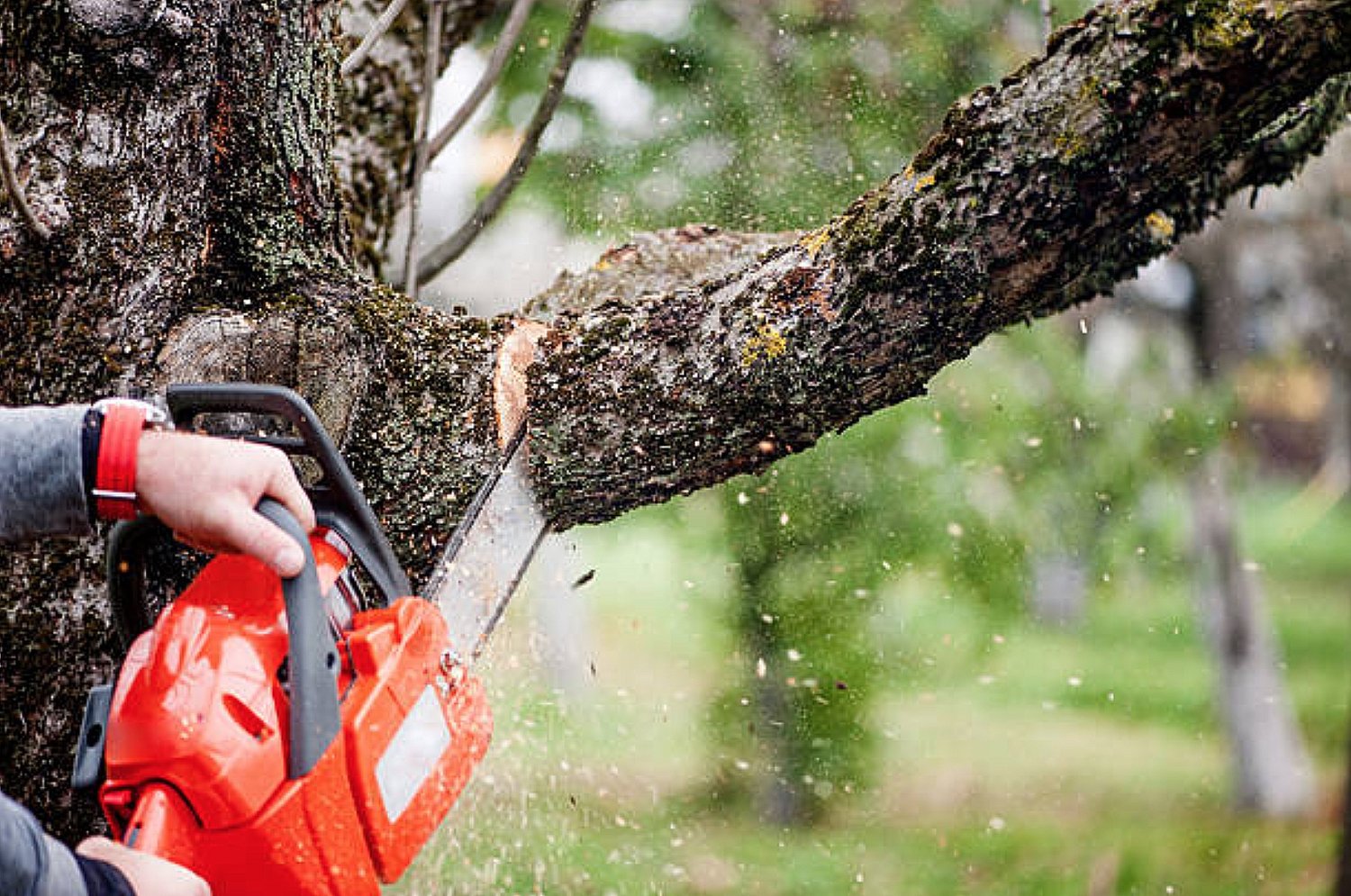
Pruning is an important practice in tree care that guarantees ideal growth and health, as it gets rid of sick or dead limbs and enhances air flow within the canopy. Using the right methods ensures the trees can thrive in their environment.
A key method is "thinning," which means taking off certain branches to enhance light penetration and decrease stress on weaker parts. 'Heading cuts' are another method, where the tips of branches are trimmed to stimulate lateral branching, especially in young trees. Furthermore, the 'crown reduction' technique reduces the height and spread of a tree while preserving its inherent form.
Proper timing is crucial; cutting during the inactive period lessens the impact and promotes better wound closure. Equipment needs to be clean and honed to avoid damage and disease transmission. Knowing these essential trimming methods is crucial for any tree care professional aiming to maintain healthy and visually appealing trees.
Recognizing Typical Tree Ailments
What helps tree owners spot the signs of common diseases that threaten their trees? Awareness of specific symptoms is essential for early detection and action. Common indicators include discolored or wilting leaves, possibly indicating a fungus or nutrient deficiencies. Unusual growths, like cankers or galls, may indicate insects are present or diseases that harm the tree's vitality. Furthermore, peeling bark or oozing sap may indicate infections that require immediate attention.
Arborists should look for changes in tree structure, such as branches dying or leaves falling, which could signify a more severe underlying issue. Watching for evidence of bug problems, such as holes in the bark or frass, is necessary too. By staying watchful and taking action, owners are able to spot these frequent ailments and get the right solutions, to keep their trees healthy and vigorous all year long.
How Mulching Helps Trees
Mulching serves as an important practice in tree care, offering numerous benefits that foster robust growth and resilience. It involves applying a layer of inorganic or organic matter at the tree's base, aiding in moisture retention, suppress weeds, and moderating temperature fluctuations. This insulating layer not only reduces competition from unwanted vegetation but also enhances the aesthetic appeal of the landscape.
Furthermore, materials like wood chips, such as wood chips or bark, gradually decompose, adding vital nutrients to the soil and enhancing the soil's composition. This natural breakdown helps roots establish and promotes a better habitat for the tree. Furthermore, mulch application minimizes soil erosion, which helps maintain the stability of the tree’s base. Appropriately spread mulch should be spread in a donut shape, making sure it doesn't touch with the trunk to stop decay. In conclusion, making mulching a part into tree care routines significantly aids to the long-term health of trees.
Optimal Watering Methods for Trees
Good tree maintenance demands not only mulching but also appropriate watering techniques to ensure optimal growth and health. Tree specimens, especially those recently planted, demand regular water to establish strong root systems. It is vital to water deeply, as it encourages roots to grow downwards where moisture is more consistent. Optimally, trees should receive about an inch of water per week, be it from precipitation or additional watering.
It is best to water during the early morning hours to minimize water loss and fungal diseases. One must be careful not to overwatering, which often causes root decay and related complications. Check the ground for moisture before watering; when the top two inches feel dry, it is time to provide water. Additionally, employing a soaker hose or drip irrigation delivers a gradual, continuous stream of water, ensuring that trees receive adequate hydration without the risk of runoff. Correct watering methods are essential contributors to the overall health of trees.
Engaging Expert Arborists: The Timing and Rationale
When considering the health and aesthetics of a property, hiring professional tree services may prove essential for homeowners with complicated tree maintenance requirements. Expert tree specialists have the expertise to determine tree vitality, spot illnesses, and apply successful remedies. Arborists are also aware of local regulations for removing trees and maintenance, ensuring adherence and avoiding potential fines
(Stillwater Tree Service)Homeowners should consider hiring professionals when dealing with large trees, especially those close to buildings or power lines, as improper handling can pose safety risks. Additionally, trees requiring pruning for looks or well-being gain from the abilities of trained specialists who can perform careful trimming to encourage development
Periodic maintenance, such as preparing for storms and post-storm tidying, also warrant professional intervention to ensure site security and appearance. In the end, using expert tree care providers guarantees that trees receive ideal care, thereby enhancing the property's aesthetics and property value
Frequently Asked Questions
How Can I Tell if My Tree Is Drowning?
Symptoms of excessive watering are yellowing leaves, limpness though the soil is damp, root rot, and significant defoliation. In addition, the presence of fungal growth near the trunk's bottom can signal poor drainage and saturated soil.
When Should I Schedule for Tree Pruning?
The ideal season for trimming is generally in the cold months before spring before new growth begins - Stillwater Tree Service. Pruning at this time encourages healthy growth and lessens the impact on the plant, facilitating quick recovery and maturation
Is It Possible for Trees to Survive Major Storm Damage?
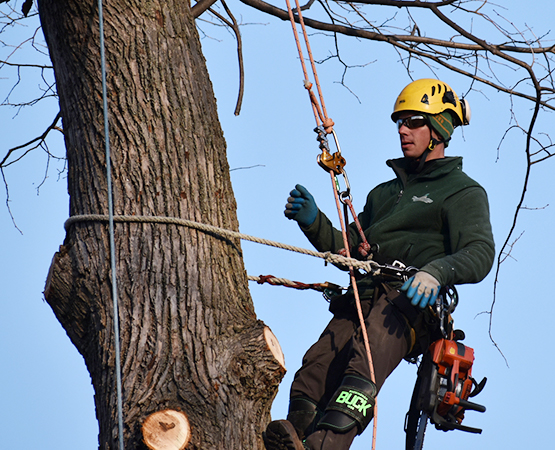
Absolutely, trees are capable of recovering from major storm damage. Given the right attention, like trimming broken branches and supplying necessary moisture and food, a lot of trees can become healthy again and continue to thrive after experiencing significant stress.
What Should I Look For When Choosing the Right Mulch for My Trees?
When selecting appropriate mulch, it is best to use organic options such as shredded bark or wood chips, apply it to a depth of 2-4 access resource inches, and keep mulch away from the tree collar to safeguard against rot.
Are Some Trees Higher Maintenance Than Others?
Certain trees, for instance, new plantings and orchard trees, require greater attention owing to their vulnerability to weather fluctuations and specific nutrient needs. Regular monitoring and tailored maintenance practices are crucial for their well-being and flourishing.